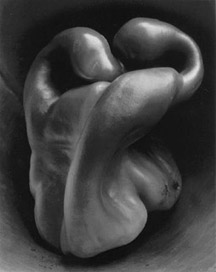
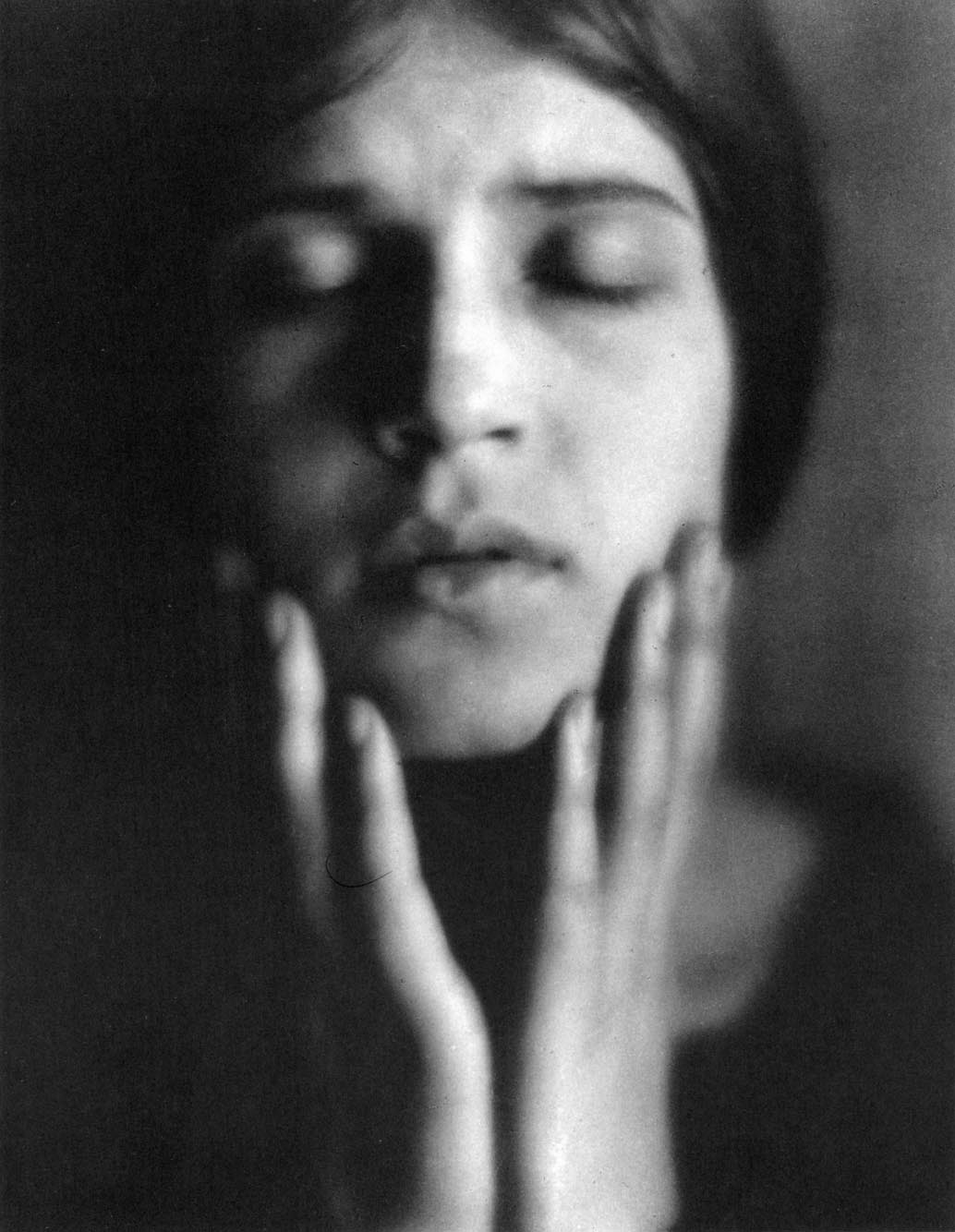
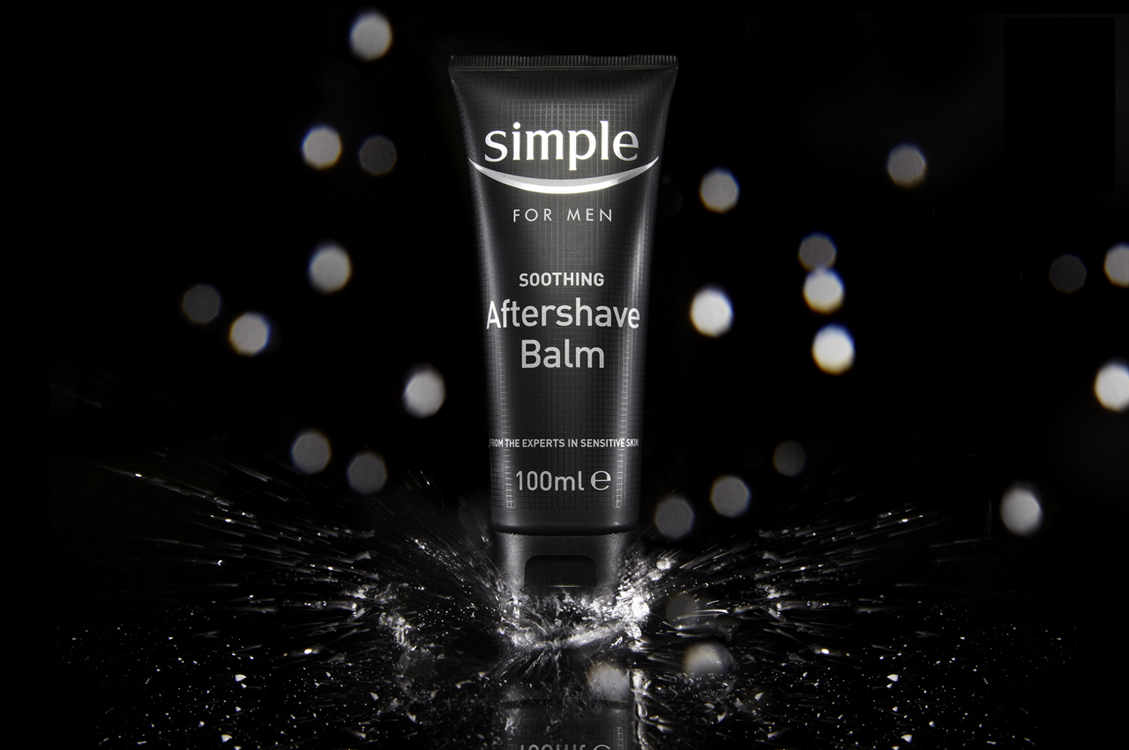
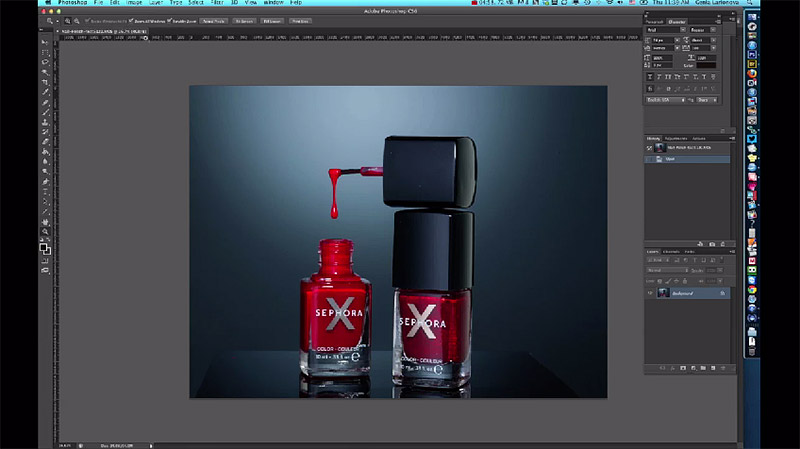
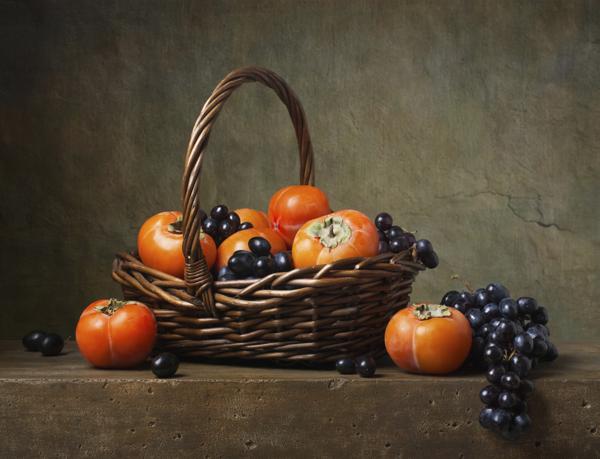
- Try to place one object at a time and experiment with the arrangement accordingly as a part of your composition. - Experiment with different background image manipulation or editing software to change the way the background looks or 'feels' in the picture. - Use different colors and types of artificial light to enhance the dark and the light shades in the photograph.
Marcus Bleasdale:
When Photography
Campaigns for Change
Marcus Bleasdale has won the Robert Capa Gold Medal from the Overseas Press Club,which recognizes exceptional courage in published photojournalism. It
will be presented Thursday night at the Mandarin Oriental hotel in New
York. Jerome Sessini of Magnum Photos will receive the Olivier Rebbot
Award, and Bulent Kilic of Agence France-Presse will be presented with
the John Faber Award. Rodrigo Abd of The Associated Press will receive
the Feature photography award for his photos of illegal gold mining in
Brazil.
James Estrin talked with Mr. Bleasdale about using photography to effect change. The conversation has been edited.
Gold medalist Tommie Smith (center) and bronze medalist John Carlos (right) raise black-gloved fists during the American national anthem at the 1968 Olympics in Mexico City. Australian sprinter Peter Norman, who won silver in the 200 meters and supported Carlos and Smith's protest, stands at left.
Lorna Simpson, Necklines, 1989. Three gelatin silver prints, two engraved plastic plaques. 68,5 x 70 in. Courtesy the artist and Sean Kelly Gallery, ...
lorna simpson Shades, 2012 Collage, and ink on paper 11.25 × 8.5 inches (29 × 22 cm)
From "Easy to Remember," by Lorna Simpson, video installation, 16mm blanc-and-white film transferred to DVD, 2 minutes, 35 seconds, sound, 2001,
https://alumni.stanford.edu/get/page/magazine/article/?article_id=39117 LIGHTS, CAMERA, ACTION: Muybridge's famous 1878 photo sequence depicts three full strides made by Stanford's prize trotting horse, Abe Edgington. Around the middle of each stride, all four feet lift at once--as shown, for instance, in the next-to-last frame. Artist of the Week / Robert Cappa
When Henri Cartier-Bresson would shoot on the streets, he would stay as low-key and unobtrusive as he could. I even read that he would cover his chrome Leica in black tape and even sometimes with a hankerchief to make it less noticeable when he was out shooting. Most of the images that he captured his subjects were oblivious of the camera, and thus truly candid.
7. See the world like a painter
Before Henri Cartier-Bresson got into photography, he was actually first interested in painting. Once HCB discovered photography, he applied the same aesthetics in classical painting into his images.
8. Don’t crop
Henri Cartier-Bresson was vehemently opposed to cropping. He believed that whenever you took a photo, it should always be done in-camera. If his framing or composition was a bit off, he would disregard the image.
9. Don’t worry about processing
Although Henri-Cartier Bresson knew how to process and develop his own film, he never did it by himself. He would go out and shoot and send his photos to people he trusted, who would develop it for him. This gave him a huge advantage because it would allow how to spend less time in the darkroom, and more time out shooting.
10. Always strive for moreooks by Henri Cartier-Bresson
“The Decisive Moment” was Henri Cartier-Bresson’s first photography book that made a huge splash in the photography world. Was an incredibly rare book, now is being republished for the masses. Don’t miss out! 2. “Scrapbook“
A fascinating look into the life and photos of Henri Cartier-Bresson3. “India“








 Southern Pacific locomotive using a plow to clear snow from tracks in Donner Pass, five miles west of Soda Springs, Calif., 1949.